
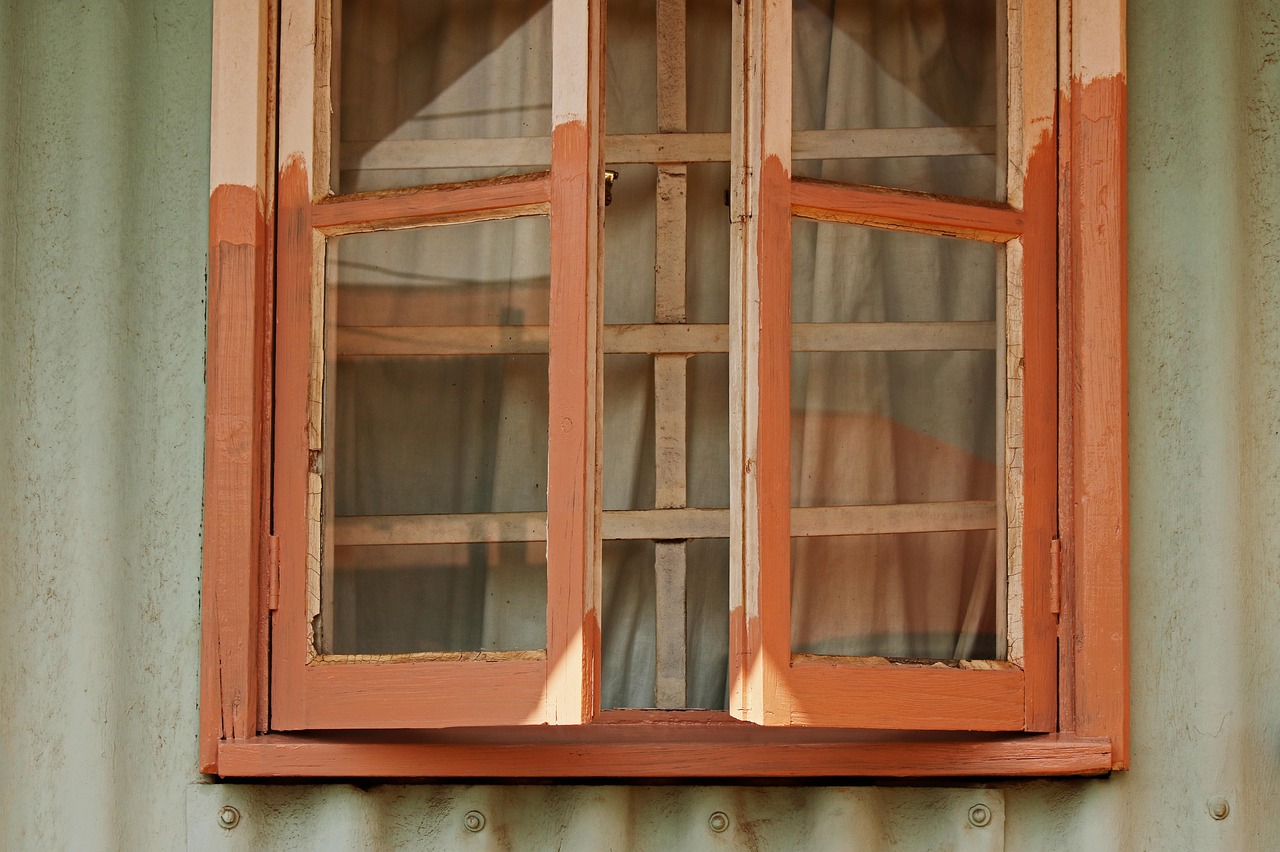
Drafts whistling through your living room are annoying, but the real trouble usually hides right inside the wall structure. When wood starts to rot or vinyl begins to warp, your entire home’s energy efficiency takes a serious hit. Tackling issues early makes all the difference for your monthly utility bills and your home comfort. Proactive maintenance ensures your windows can withstand punishing weather events year after year.
You might wonder if you can handle this project yourself or if you need to call in a professional crew. This guide covers everything you need to know about repairing window frames, from spotting early warning signs to choosing the right materials and finishing techniques.
Why Window Frame Maintenance Matters
Your windows bear the brunt of every rainstorm, summer heatwave, and freezing winter morning. Over the years, small cracks or gaps let moisture creep into the core of the frame. Left unattended, this trapped water rots wooden frames and compromises the structural integrity of vinyl or aluminum setups. Fixing these flaws promptly stops minor damage from turning into a costly full replacement.
Ignoring frame issues also drives up your heating and cooling costs. Air leaks force your HVAC system to work overtime just to keep your rooms at a steady temperature. A tight, well-sealed frame keeps conditioned air inside where it belongs. Regular upkeep preserves your property value and keeps pests like termites away from damp wood.
Furthermore, well-maintained frames contribute significantly to soundproofing. Old gaps allow traffic noise and neighborhood sounds to easily penetrate your living space, whereas intact, properly caulked frames act as an acoustic barrier for a quieter indoor environment. Investing time in routine frame care pays dividends in peace, quiet, and comfort.
Spotting the Early Signs of Damage
Catching problems early saves you from massive repair bills down the road. Walk around your house and inspect both the interior and exterior sides of your windows at least twice a year. Look closely for peeling paint, bubbling surfaces, or soft spots in the material. Here are the most common red flags to watch for:
- Sticky sashes that require heavy force to open or close smoothly during seasonal shifts as humidity changes expand the frame components.
- Visible gaps or cracks appearing between the frame and the surrounding wall structure, letting in unconditioned outdoor air.
- Condensation trapped permanently between glass panes, signaling a failed seal around the frame or insulated glass unit.
- Discoloration or water stains on the drywall directly beneath the window sill, often pointing to a failing exterior drip cap.
- A musty, damp odor near the window sill, which is often the first hidden indicator of internal wood rot before any visual signs appear on the surface.
Step-by-Step Guide to Repairing Window Frames
The actual fix depends heavily on what your frames are made of and how deep the damage goes. Wooden frames need scraping, treating, and filling, while vinyl or metal frames usually require patching compounds or total component alignment. Here is a reliable workflow for fixing typical wooden frame damage:
- Scrape away all flaking paint and completely remove rotted wood using a sharp chisel until you hit solid, dry material. Make sure to dig slightly past the visibly damaged zone to ensure all fungus and spores are fully eradicated.
- Apply a specialized liquid wood hardener to the exposed area to chemically strengthen the remaining fibers and prevent future decay. Allow this chemical treatment to cure completely according to the manufacturer’s instructions before moving forward.
- Fill the cavity with a durable exterior-grade wood epoxy, smoothing it out slightly higher than the surrounding surface to account for minor shrinkage during the curing process.
- Sand the hardened epoxy down until it matches the exact contour of the original frame before applying exterior-grade primer and matching paint to seal out moisture effectively.
For vinyl frames, clean the damaged area thoroughly with isopropyl alcohol, apply a vinyl-safe patching compound, and smooth it flush with a putty knife. Allow it to cure fully before applying a matching UV-resistant vinyl paint if necessary to blend the repair with the existing frame color.
When to DIY and When to Call a Pro
Many minor frame fixes make for a rewarding weekend project if you have basic woodworking tools and some patience. Surface cracks, small rot spots, and loose hardware fall comfortably into the DIY category. You can knock these out with a tube of caulk, some wood filler, and a steady hand. Taking on these smaller tasks also helps you develop a better understanding of your home’s unique maintenance needs.
However, major structural issues require an experienced contractor. Leave the job to professionals if you notice sagging headers, widespread rot that affects the rough opening, or frames damaged by severe mold growth. Working on second-story windows also poses safety risks that are better handled by insured specialists with proper scaffolding and harness equipment. Professionals also have access to specialized thermal imaging tools that can detect hidden moisture leaks behind the drywall.
Frequently Asked Questions
How long do repaired window frames typically last?
A proper repair using high-quality epoxy and exterior paint can easily last five to ten years. Regular repainting and caulking every few years will extend this lifespan even further, protecting your initial investment.
Can aluminum or vinyl frames be repaired?
Yes, but the methods differ from wood. Vinyl can be patched with specialized adhesives and UV-resistant fillers, while bent aluminum can sometimes be straightened, though severely warped metal usually needs replacing to maintain thermal efficiency.
Is it cheaper to repair or replace a damaged window frame?
Repairing is almost always cheaper if the damage affects less than twenty percent of the frame structure. Once rot spreads deeply into the wall studs or structural header, total replacement becomes the smarter financial choice for long-term safety.
Final Thoughts on Frame Care
Taking care of your windows is an ongoing commitment rather than a one-time chore. Simple habits like cleaning drainage tracks, checking weatherstripping, and renewing exterior caulk every few years will protect your investment. Keep a close eye on your frames, act quickly when something feels off, and enjoy a warmer, safer home.